Content ideas for musicians between releases come from the work around the music: writing, rehearsing, gear, song stories, covers, live sessions and fan questions. Posting these keeps an audience engaged while no new single is out.
This article is a spoke of the wider guide to social media for musicians on this independent information site, and it focuses on what to post in the quiet weeks.
Why the gaps between releases need a plan
Most artists release music in bursts, and the weeks in between can feel empty. A feed that only appears when a single drops teaches followers to ignore it the rest of the time. Regular, low-pressure posts keep an artist familiar, so that when a release arrives the audience already knows who is behind it and why it matters.
The useful mindset is that content is a by-product of the work rather than a separate job. A songwriter who writes, records, rehearses, plays shows and talks to fans already produces plenty of raw material. The task is to notice what is worth sharing, capture it on a phone, and post it in a form that makes sense for the platform. The same idea also applies to people who do not enjoy being on camera: a hand playing a keyboard, a screen recording of a session or a photo of a notebook page can all carry a post.
Content between releases also has a job beyond reach. A good post gives a new listener a reason to follow, gives an existing fan a reason to stay, and points toward somewhere the artist owns, such as a mailing list or a community server.
Behind-the-scenes and process content
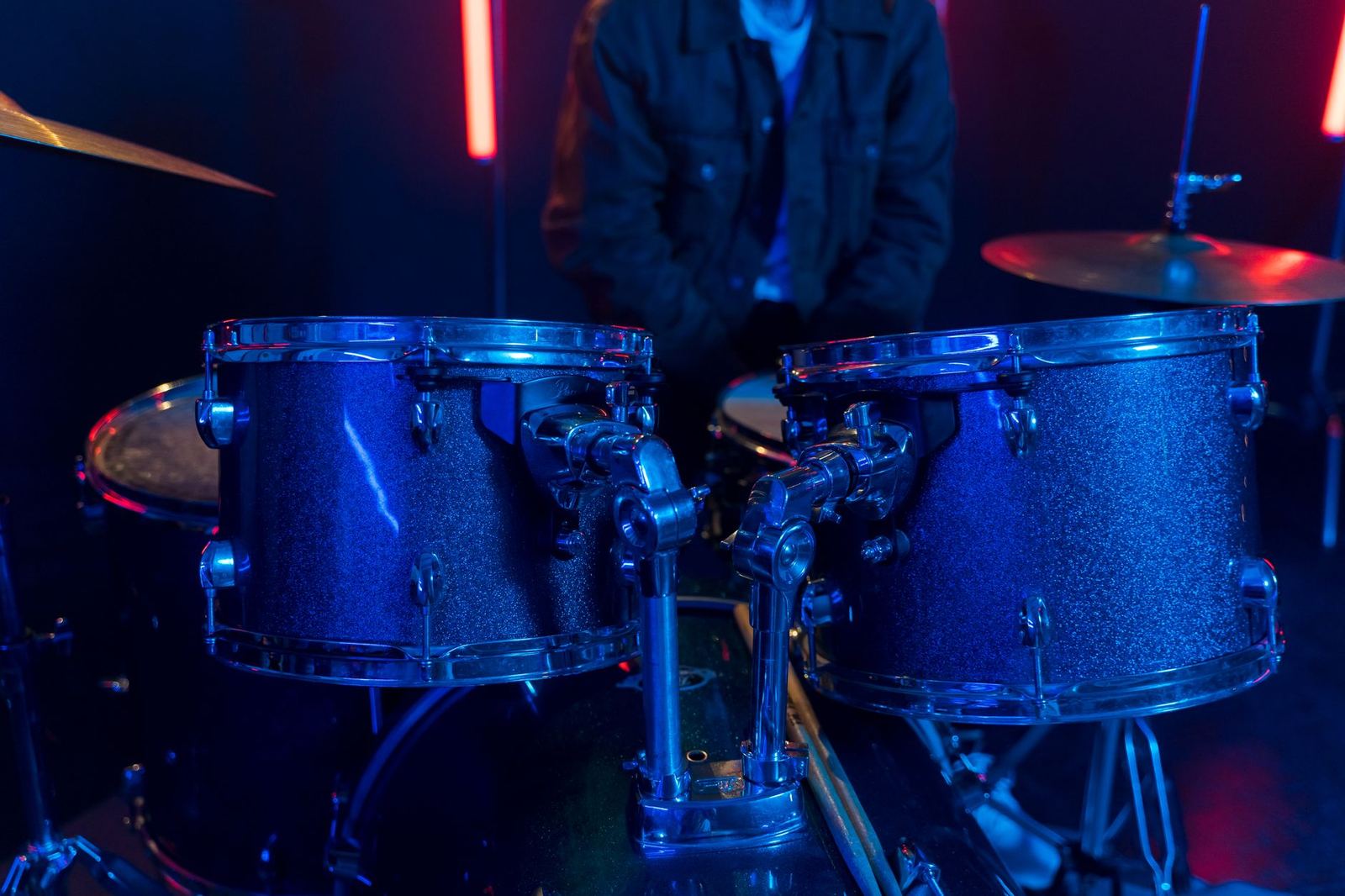
Process content shows how music gets made, and it is the easiest material to produce because it already exists. Examples include a rough voice memo next to the finished track, a short clip of a drum take, a view of a synth patch being built, a lyric draft with crossings-out, a mixing session on mute with captions describing each decision, or a before-and-after of a mastering change.
These posts work because they let people feel involved before a song is finished. They also cost little: a phone propped on a desk is enough. Short, specific clips tend to beat long, polished ones, since the point is a glimpse rather than a documentary.
Gear and setup content is a related category. Pedalboards, microphones, laptop screens and practice routines draw people who play instruments or produce music themselves, and these viewers often become the most engaged followers. Explaining why a particular tool was chosen, in plain words, is more useful than listing model names.
Stories, lyrics and song explainers
Listeners often want to know what a song is about. A short clip that explains the situation behind a lyric, the chord change that was hard to find or the accident that produced a melody gives the track a human frame. Posts like these work for released songs as well as unreleased ones, which makes them good material for a back catalogue that new listeners have not heard.
Lyric cards, handwritten pages and quotes pulled from a verse are quick to make and easy to share. A teaser of a few seconds from an unreleased song invites reactions and shows which parts of a track grab attention. Treat the reactions as information: comments that quote a line or ask when a song comes out point to what resonates.
A series format helps. Repeating a simple template, such as a weekly lyric of the week or a song-story clip on the same day, removes the daily question of what to post and teaches followers when to look.
Performance, covers and live sessions
Playing music on camera remains the most direct content for a musician. A stripped-back version of a song, a rehearsal-room jam or a solo take on the couch all make a post. Streaming services now provide formats built around this kind of material. Spotify for Artists says that Clips are short videos you create to connect with fans while keeping your music front-and-center, and that Canvas is a short, looping visual that can be added to each track. These sit on the streaming profile itself, so they reach people who are already listening.
For short vertical clips, YouTube’s help centre says its Shorts tools cover short-form videos that are up to 3 minutes long, so a full chorus and verse fit in a single clip. Longer sessions and music videos find a home on the main channel, which the article on youtube for musicians covers in more detail.
Live streaming is another option. YouTube’s guidance notes that webcam streaming works for quickly live streaming from your computer using a webcam, while encoders suit setups with audio hardware, and it describes that type of stream as commonly used for concerts. A live session also produces a recording that can be cut into several short clips afterward.
Covers are popular because listeners already know the song, but they raise rights questions. Posting a recording of someone else’s composition can involve licences that differ by platform and country, and the US Copyright Office explains in its fair use guidance that there is no formula to ensure that a predetermined percentage or amount of a work may be used without permission. Specifics depend on the platform terms, the territory and the contract, and a qualified adviser can help with any particular case; this article is general information and not legal advice.
Fan-led content and community
Fans are a content source. Questions, requests and reactions can be turned into posts: answering a comment on camera, playing a requested song, sharing a fan cover with permission or asking followers to vote between two mixes. This kind of exchange moves casual followers toward being regulars.
Reels and similar formats make audio reusable. When Instagram announced Reels, it explained that you can also use your own original audio by simply recording a reel with it, and that original audio is attributed to the creator. In practice, that means a musician who posts a clip with their own track gives other people a way to build on it, with credit attached. Features and rules change, so the current platform help is the place to confirm details.
Longer conversations often belong somewhere less fast-moving than a feed. A server where fans talk with each other and with the artist can hold the polls, listening sessions and early previews, and the guide to discord for musicians explains how a community like that is set up. Spotify for Artists also describes Countdown Pages, which help you get fans hyped for your upcoming album, a handy bridge between a quiet period and the next release.
Turning ideas into a routine that lasts
A calendar prevents the stop-start pattern. A simple structure is to give each weekday a theme, such as process content early in the week, a performance clip midweek and a fan question at the end, then batch the filming in a long recording session. That session can supply material for weeks when it is cut into small pieces and scheduled.
Reusing content across platforms saves time, though each platform deserves a native edit, with the right shape, captions and opening. Keep a list of ideas in a notes app so there is always something to post on a slow day, and save raw clips in a folder labelled by topic.
Checking what worked turns guesses into decisions. YouTube’s analytics help explains that in the audience retention report, spikes appear when more viewers are watching, rewatching, or sharing those parts of your video, while dips show where people left. Moments that spike are good candidates for a follow-up clip, and moments with dips suggest where to tighten the edit.
Frequently asked questions
How often should a musician post between releases?
There is no required schedule. A pace that can be kept up for months works better than a burst that stops. Many artists pick a small number of posts each week on one or two platforms and treat extra posts as a bonus.
What if an artist does not want to appear on camera?
Plenty of content works without a face: hands on an instrument, a screen recording of a session, lyric cards, studio photos or voice-over on top of footage. The music and the process are the subject, not the person.
Can unreleased songs be shared as teasers?
Yes, as long as the artist owns the rights to the material and any collaborators agree. Short teasers show which parts of a track get a reaction, though there is no need to share a whole song before release.
Should content point somewhere beyond the platform?
Usually yes. A mailing list, a website or a community server belongs to the artist, while follower counts depend on a platform. A regular, gentle call to action is enough.