Instagram for musicians means using profile, Reels, Stories and Highlights to show the music and the person behind it, and to point listeners toward streams, shows and a mailing list. It rewards short, repeatable video more than polished one-off campaigns.
This guide covers the Instagram side of the topic, and the wider overview of social media for musicians explains how the platforms fit together.
Is Instagram worth the time for an independent artist?
Instagram is one of the most widely used social apps among adults in the United States. Pew Research Center reports that about half of U.S. adults say they use Instagram, which makes it a place where fans, local promoters, other musicians and playlist curators are all likely to be present at the same time.
That reach does not mean every artist needs a daily routine. The platform suits music that has a visual hook: live performance, studio process, lyrics on screen, instruments, rehearsal rooms, artwork and the personality of the band. Instrumental or ambient projects can lean on visuals, while singer-songwriters often do well with simple performance clips. Artists who dislike being on camera can still use footage of hands, instruments, gear, venues and artwork.
The realistic goal for most independent artists is to give new listeners a reason to press play, and to give existing fans a reason to stay close. An Instagram account works best as one part of a plan that also includes owned channels such as a mailing list and a website, because followers on any platform can be lost to account problems or changes in how posts are shown.
Setting up a profile that explains the music
A visitor from a Reel or a tag usually decides in a few seconds whether to follow. The profile therefore has a simple job: say what the music is, where to hear it and what to do next.
- Name and handle: use the artist name, or a close variation, so the account is easy to find and matches the name on streaming services.
- Profile picture: a clear, recognisable image that still reads at a small size, such as a logo, a portrait or consistent artwork.
- Bio: a plain sentence on genre and location, the latest release or next show, and one reason to follow.
- Link: point to a single page that lists the latest release and the places to listen, buy tickets or join a mailing list.
- Account type: switching to a professional account unlocks insights, which later help show which posts people actually watch.
On the last point, Instagram’s own creator pages say that you can switch to a professional account to access powerful insights and new earning opportunities, and the insights are what an artist uses to learn which clips deserve repeating.
How Reels work for artists
Reels are the format Instagram uses most to show accounts to people who do not follow them yet. When the format launched, Instagram described Reels in Explore as showcasing the best of trending culture on Instagram, and the same announcement explained that featured reels are chosen from public accounts to help people discover original content. For a musician, that discovery surface is the main reason to post Reels at all.
The creative tools are built around editing clips to sound. Instagram’s own feature page says that you can remix a reel by recording your own video next to someone else’s, which opens up duets, harmonies and responses to other artists. Templates take the idea further: according to the same page, templates allow people to use the same music and timing as an original reel while replacing the photos or video clips with their own. A band can publish a template-friendly clip and invite fans to show up in it.
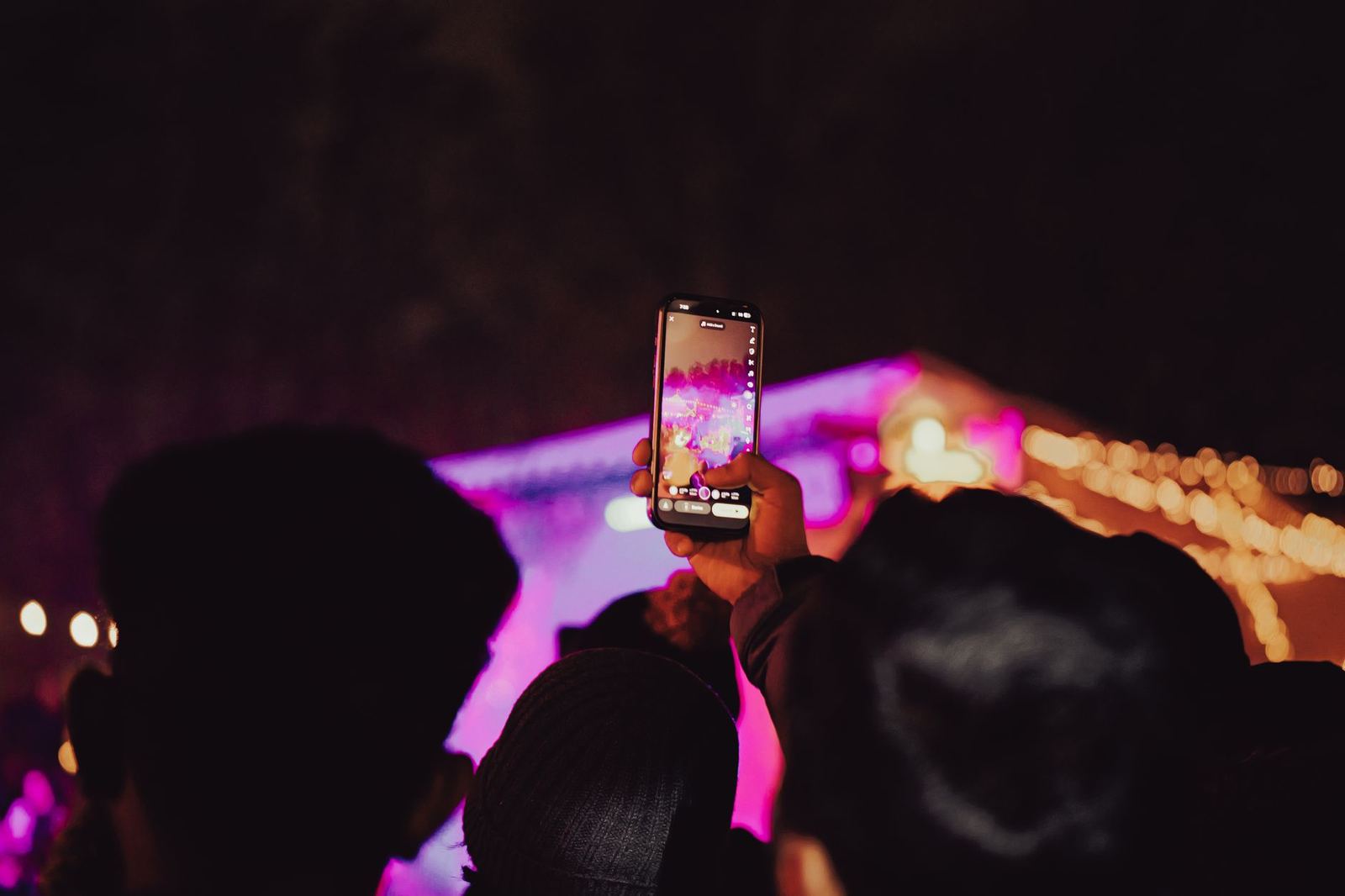
Content that tends to suit a music Reel includes:
- a hook-first clip of the chorus or the strongest riff, shown within the opening seconds;
- a live or rehearsal performance filmed vertically with clear sound;
- a short story about how a lyric or a melody was written, with the lyric on screen;
- a behind-the-scenes look at recording, mixing or pressing a record;
- a cover or response clip that leads back to original music.
Each of these can be recorded in batches and scheduled across a release period, so the account keeps moving without daily effort.
Audio: original sound, licensed tracks and your own music
Audio is where Instagram works differently for musicians than for most creators, because the music is both the content and the product. The platform’s Reels help page lists the main sound sources as audio from the Instagram music library, original audio recorded in the app and a voiceover added to clips. In its own words, the tools let people amplify ideas with audio from the Instagram music library, original audio you record, and a unique sound by adding Voiceover to clips.
The distinction between the two kinds of audio matters for artists who post their own songs. The same help section explains that original audio is unique audio you created, either while filming your reel in the Instagram app or in a video you uploaded. Licensed audio is different: Instagram says it is copyrighted audio available in the audio library and includes music, movies, television shows and sound effects. If a creator uploads licensed audio as original audio, the platform may change the description to show the artist and song, so the credit follows the recording.
Because other people can reuse sound, an unreleased or released track used as original audio can travel beyond the artist’s own followers. Instagram’s help page notes that when someone posts a reel on a public account, anyone on Instagram, the Meta AI apps or Meta AI websites can record a reel using that original audio, and the page describes a setting to turn the AI-app option off. Artists who do not want their sound reused should read those settings before posting, and anyone releasing music through a distributor can ask the distributor how Instagram and Facebook audio libraries are handled for their catalogue.
Audio rights and fair use rules differ between territories and contracts, so an artist who is unsure about a sample, a cover or a label restriction should check with a qualified adviser. This page is general information, not legal advice.
Stories and Highlights for fans who already follow
Stories serve a different purpose from Reels. A Reel is usually aimed at strangers, while Stories mostly reach followers who already care. Instagram introduced the format as a way to share the moments of the day that are not meant for the profile grid. According to the launch post, photos and videos disappear after 24 hours and do not appear on the profile grid or in feed, which is why Stories suit casual, low-pressure updates.
The feature page adds that a story can use text, music, interactive stickers, filters, and GIFs, and that viewers can reply to a story with a direct message. For artists, that creates a quick feedback line with fans: a poll on the next single, a question box before a tour, a countdown to a release or a request for song suggestions at a show.
The same page also describes how to keep the best material: stories can be shared for longer than 24 hours when they are saved as Highlights on your profile. Many artists use Highlights as a permanent set of buttons under the bio, for example “New music”, “Shows”, “Merch” and “Behind the scenes”, so a new visitor can find the essentials without scrolling the grid.
Building a posting routine that can last
Consistency tends to beat intensity. A sensible plan assigns one job to each format and fits it around the release calendar:
- Reels: the main discovery tool, planned a few at a time and tied to the release or gig that matters most.
- Stories: day-to-day updates, polls, show reminders and direct links for people who already follow.
- Feed posts and carousels: album artwork, announcements, tour posters, lyric cards and photography that should stay on the grid.
- Replies and direct messages: answering comments and thanking people who share a track, which is slow work but builds a loyal audience.
It also helps to review results. After a Reel is posted, the platform’s own help section explains that a creator can see how many people liked, commented on, and reshared a reel. Watching which clips bring comments and shares, rather than only views, shows what the audience wants more of, and it is a better guide than copying whatever format is trending that week.
Most artists also use Instagram alongside other video platforms rather than instead of them. The same clip can often be adapted for the short-form feeds covered in the guides to tiktok for musicians and youtube for musicians, which saves production time and tests the same idea in front of different audiences.
Frequently asked questions
Do musicians need a professional account on Instagram?
It is not required, but it is the route to the insights Instagram offers, and artists who want to see which Reels and Stories reach people usually switch to a professional account. Instagram’s creator page describes insights and earning opportunities as part of that switch.
Can an artist use any song in a Reel?
Not freely. Songs in the Instagram audio library are offered by the platform for use inside the app, while uploading someone else’s recording as original audio can lead the platform to credit the artist and song. Using a sample, cover or commercial track outside the library may need permission from the rights holders.
Should Reels or Stories come first?
Reels are the better choice for reaching people who do not follow yet, and Stories are better for keeping existing followers close. Many artists plan Reels around releases and shows, then use Stories to remind followers and gather replies.
How can an artist send Instagram followers to a mailing list or streaming link?
The profile link is the main place for this, and a single page that lists the latest release, ticket links and a mailing list sign-up keeps the choice simple. Stories and Highlights can then repeat the same call to action in a more informal way.